Back Workouts: Transform Your Back and Triceps with These 7 Ultimate Exercises

A well-rounded fitness routine isn’t complete without focusing on your back. Developing a strong, sculpted back improves your overall physique and contributes significantly to posture, stability, and functional strength. The back muscles play a crucial role in daily movements and support many other exercises, from squats to deadlifts.
In this guide, we'll explore the importance of back workouts, break down the anatomy of the back muscles, and provide you with a comprehensive back workout routine designed to target each area effectively.
 Pull-ups are widely regarded as one of the most effective exercises for developing upper-body strength. They primarily target the latissimus dorsi (lats), but they also engage the trapezius, rhomboids, biceps, and even the core. This compound movement requires you to lift your entire body weight, making it a true test of strength and endurance. Whether you're aiming to build muscle or improve functional fitness, pull-ups should be a staple in your workout routine.
One of the key benefits of pull-ups is their ability to enhance overall back development. By pulling your body up to the bar, you activate your lats and other back muscles, helping to create the sought-after "V-taper" shape. Pull-ups are also versatile—you can adjust your grip (overhand, underhand, or neutral) to shift the emphasis to different muscle groups. This versatility allows you to target multiple areas of your back and arms, making it an all-in-one exercise for upper-body strength.
In addition to back development, pull-ups contribute to better grip strength. Holding onto the bar throughout the exercise challenges your forearms and improves your grip, which is essential for many other lifts, such as deadlifts and rows. Over time, this increased grip strength can translate to improved performance in other compound movements, giving you a more well-rounded fitness foundation.
Pull-ups are widely regarded as one of the most effective exercises for developing upper-body strength. They primarily target the latissimus dorsi (lats), but they also engage the trapezius, rhomboids, biceps, and even the core. This compound movement requires you to lift your entire body weight, making it a true test of strength and endurance. Whether you're aiming to build muscle or improve functional fitness, pull-ups should be a staple in your workout routine.
One of the key benefits of pull-ups is their ability to enhance overall back development. By pulling your body up to the bar, you activate your lats and other back muscles, helping to create the sought-after "V-taper" shape. Pull-ups are also versatile—you can adjust your grip (overhand, underhand, or neutral) to shift the emphasis to different muscle groups. This versatility allows you to target multiple areas of your back and arms, making it an all-in-one exercise for upper-body strength.
In addition to back development, pull-ups contribute to better grip strength. Holding onto the bar throughout the exercise challenges your forearms and improves your grip, which is essential for many other lifts, such as deadlifts and rows. Over time, this increased grip strength can translate to improved performance in other compound movements, giving you a more well-rounded fitness foundation.
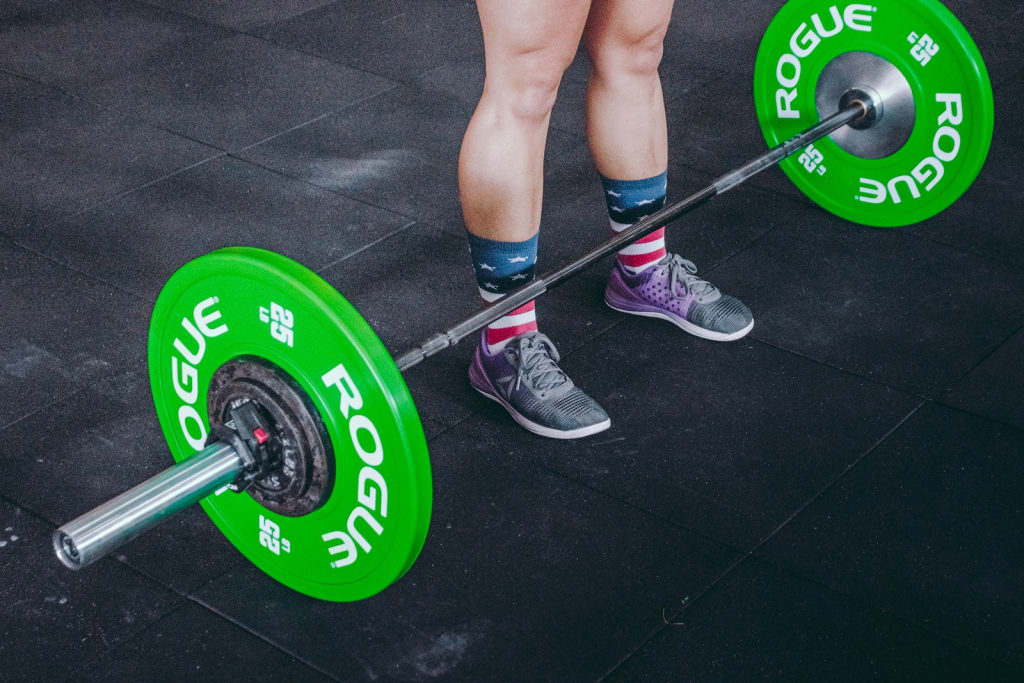 Barbell deadlifts are often regarded as one of the most effective compound exercises for building overall strength. This lift targets multiple muscle groups simultaneously, including the back, glutes, hamstrings, and core. The deadlift’s ability to engage so many major muscles makes it a staple in strength training routines, offering benefits for power, balance, and athletic performance. When done correctly, it can significantly enhance your overall fitness and functional strength, making everyday tasks like lifting, carrying, and bending much easier.
The deadlift primarily targets the posterior chain—the muscles running along the back of your body—including the erector spinae, glutes, hamstrings, and lats. This exercise not only strengthens your lower back but also improves your posture and reduces the risk of back pain or injury. Additionally, because the deadlift involves lifting a heavy weight from the ground, it teaches proper lifting mechanics, which can help prevent strains and injuries both in and out of the gym.
Proper form is crucial when performing barbell deadlifts to avoid injury, particularly to the lower back. Key points to remember include keeping your back straight, chest up, and core engaged throughout the movement. The barbell should stay close to your legs as you lift, using your hips and legs to generate most of the power. Avoid rounding your lower back, as this can put undue strain on your spine and lead to injury over time.
Barbell deadlifts are often regarded as one of the most effective compound exercises for building overall strength. This lift targets multiple muscle groups simultaneously, including the back, glutes, hamstrings, and core. The deadlift’s ability to engage so many major muscles makes it a staple in strength training routines, offering benefits for power, balance, and athletic performance. When done correctly, it can significantly enhance your overall fitness and functional strength, making everyday tasks like lifting, carrying, and bending much easier.
The deadlift primarily targets the posterior chain—the muscles running along the back of your body—including the erector spinae, glutes, hamstrings, and lats. This exercise not only strengthens your lower back but also improves your posture and reduces the risk of back pain or injury. Additionally, because the deadlift involves lifting a heavy weight from the ground, it teaches proper lifting mechanics, which can help prevent strains and injuries both in and out of the gym.
Proper form is crucial when performing barbell deadlifts to avoid injury, particularly to the lower back. Key points to remember include keeping your back straight, chest up, and core engaged throughout the movement. The barbell should stay close to your legs as you lift, using your hips and legs to generate most of the power. Avoid rounding your lower back, as this can put undue strain on your spine and lead to injury over time.
 Barbell rows are one of the most effective compound exercises for building a strong, thick back. This movement primarily targets the latissimus dorsi, rhomboids, and trapezius muscles while also engaging the lower back, core, and biceps. By incorporating barbell rows into your routine, you'll not only improve your posture and upper-body strength but also create a solid foundation for other heavy lifts, such as deadlifts and squats. Due to its comprehensive engagement of multiple muscle groups, this exercise is often considered a staple in any serious strength-training program.
How to Perform Barbell Rows Properly
To perform a barbell row, begin by standing with your feet shoulder-width apart and bending your knees slightly. Hinge forward at your hips, keeping your back straight and chest up, until your torso is roughly parallel to the floor. Grip the barbell with a pronated (overhand) grip, hands just wider than shoulder-width apart. Pull the barbell toward your lower chest or upper abdomen while squeezing your shoulder blades together. Lower the weight back down in a controlled manner, ensuring you maintain proper form throughout the movement to avoid strain on your lower back.
Barbell rows are one of the most effective compound exercises for building a strong, thick back. This movement primarily targets the latissimus dorsi, rhomboids, and trapezius muscles while also engaging the lower back, core, and biceps. By incorporating barbell rows into your routine, you'll not only improve your posture and upper-body strength but also create a solid foundation for other heavy lifts, such as deadlifts and squats. Due to its comprehensive engagement of multiple muscle groups, this exercise is often considered a staple in any serious strength-training program.
How to Perform Barbell Rows Properly
To perform a barbell row, begin by standing with your feet shoulder-width apart and bending your knees slightly. Hinge forward at your hips, keeping your back straight and chest up, until your torso is roughly parallel to the floor. Grip the barbell with a pronated (overhand) grip, hands just wider than shoulder-width apart. Pull the barbell toward your lower chest or upper abdomen while squeezing your shoulder blades together. Lower the weight back down in a controlled manner, ensuring you maintain proper form throughout the movement to avoid strain on your lower back.
 Lat pulldowns are an excellent alternative if pull-ups are too challenging. They isolate the lats and help build strength for pull-ups in the future. Lat pulldowns are a highly effective exercise for building and strengthening the latissimus dorsi (lats), the large muscles that give your back a "V" shape. This exercise primarily targets the upper back while also engaging the biceps and shoulders. To perform a lat pulldown, pull the bar down toward your chest while keeping your torso upright and elbows tucked. This movement mimics a pull-up, making it a great alternative for those who struggle with pull-ups. Incorporating lat pulldowns into your workout routine will improve your posture and enhance upper-body strength.
Lat pulldowns are not only a great alternative to pull-ups but also allow for greater control over resistance and form. By adjusting the weight, you can ensure consistent progression, making them suitable for beginners and advanced lifters alike. The key to maximizing the benefits of lat pulldowns is proper form—keep your back straight, avoid leaning back excessively, and focus on engaging your lats throughout the movement.
In addition to targeting the lats, lat pulldowns also activate supporting muscles like the traps, rhomboids, and rear deltoids. This makes them a well-rounded exercise for improving overall back strength and stability. For optimal results, incorporate lat pulldowns into a balanced back workout that includes other pulling and rowing movements to ensure complete muscle development.
Incorporating variations of lat pulldowns, such as wide-grip or reverse-grip, can help target different areas of your back and increase muscle activation. Wide-grip pulldowns emphasize the upper lats, giving your back more width, while reverse-grip pulldowns engage the lower lats and biceps more effectively. Including these variations in your routine will ensure balanced development and help avoid muscle imbalances, making lat pulldowns a versatile and essential exercise for building a strong, well-rounded back.
Lat pulldowns are an excellent alternative if pull-ups are too challenging. They isolate the lats and help build strength for pull-ups in the future. Lat pulldowns are a highly effective exercise for building and strengthening the latissimus dorsi (lats), the large muscles that give your back a "V" shape. This exercise primarily targets the upper back while also engaging the biceps and shoulders. To perform a lat pulldown, pull the bar down toward your chest while keeping your torso upright and elbows tucked. This movement mimics a pull-up, making it a great alternative for those who struggle with pull-ups. Incorporating lat pulldowns into your workout routine will improve your posture and enhance upper-body strength.
Lat pulldowns are not only a great alternative to pull-ups but also allow for greater control over resistance and form. By adjusting the weight, you can ensure consistent progression, making them suitable for beginners and advanced lifters alike. The key to maximizing the benefits of lat pulldowns is proper form—keep your back straight, avoid leaning back excessively, and focus on engaging your lats throughout the movement.
In addition to targeting the lats, lat pulldowns also activate supporting muscles like the traps, rhomboids, and rear deltoids. This makes them a well-rounded exercise for improving overall back strength and stability. For optimal results, incorporate lat pulldowns into a balanced back workout that includes other pulling and rowing movements to ensure complete muscle development.
Incorporating variations of lat pulldowns, such as wide-grip or reverse-grip, can help target different areas of your back and increase muscle activation. Wide-grip pulldowns emphasize the upper lats, giving your back more width, while reverse-grip pulldowns engage the lower lats and biceps more effectively. Including these variations in your routine will ensure balanced development and help avoid muscle imbalances, making lat pulldowns a versatile and essential exercise for building a strong, well-rounded back.
Dumbbell rows are an excellent compound exercise that targets multiple muscles in the back, including the latissimus dorsi, rhomboids, and trapezius. This movement involves pulling a dumbbell toward your torso while stabilizing your body with the opposite arm, making it great for developing back strength and correcting muscle imbalances. Since each arm works independently, dumbbell rows help even out any strength discrepancies between the left and right sides of your body, ensuring balanced muscle development.
When performing dumbbell rows, maintaining proper form is crucial to avoid injury and maximize the effectiveness of the exercise. Begin by placing one knee and hand on a bench for stability, and keep your torso parallel to the floor. As you pull the dumbbell toward your hip, focus on squeezing your shoulder blade at the top of the movement to fully engage the back muscles. Avoid using momentum or rounding your back, as this can take the tension off the target muscles and strain your lower back.
Dumbbell rows are highly versatile, allowing you to adjust the weight and rep range to suit your fitness goals. Whether you're aiming for strength or muscle endurance, incorporating dumbbell rows into your routine will lead to improved posture, stronger pulling strength, and a more defined back. This exercise can also be modified with different grips or by adding variations like the renegade row, giving you a wide range of options to keep your back workouts fresh and challenging.
 Face pulls are an excellent exercise for targeting the rear deltoids, rhomboids, and trapezius muscles, making them essential for improving shoulder health and posture. The pulling motion also engages the upper back, making face pulls a versatile movement that addresses multiple areas often neglected in traditional workout routines. Properly executing face pulls helps to strengthen these muscles and can correct imbalances caused by too much pressing or forward-leaning movements, which are common in daily life.
To perform a face pull, use a cable machine or resistance band with a rope attachment. Stand facing the machine and pull the rope toward your face while keeping your elbows high and wide. Focus on squeezing your shoulder blades together at the end of each repetition to maximize the engagement of the rear delts and upper back. Maintain control throughout the movement and avoid using momentum to ensure you’re activating the targeted muscles effectively.
Incorporating face pulls into your workout routine can improve shoulder stability, prevent injury, and help combat poor posture. This exercise is particularly useful for individuals who spend long hours sitting or working at a computer, as it counteracts the forward rounding of the shoulders that leads to imbalances. Face pulls are a great addition to any upper-body workout, helping build a more balanced, stronger, and healthier physique.
Face pulls are an excellent exercise for targeting the rear deltoids, rhomboids, and trapezius muscles, making them essential for improving shoulder health and posture. The pulling motion also engages the upper back, making face pulls a versatile movement that addresses multiple areas often neglected in traditional workout routines. Properly executing face pulls helps to strengthen these muscles and can correct imbalances caused by too much pressing or forward-leaning movements, which are common in daily life.
To perform a face pull, use a cable machine or resistance band with a rope attachment. Stand facing the machine and pull the rope toward your face while keeping your elbows high and wide. Focus on squeezing your shoulder blades together at the end of each repetition to maximize the engagement of the rear delts and upper back. Maintain control throughout the movement and avoid using momentum to ensure you’re activating the targeted muscles effectively.
Incorporating face pulls into your workout routine can improve shoulder stability, prevent injury, and help combat poor posture. This exercise is particularly useful for individuals who spend long hours sitting or working at a computer, as it counteracts the forward rounding of the shoulders that leads to imbalances. Face pulls are a great addition to any upper-body workout, helping build a more balanced, stronger, and healthier physique.
7. Hyperextensions (3 sets of 12-15 reps)
Hyperextensions are a highly effective exercise for targeting the lower back, particularly the erector spinae muscles, which run along the spine. By strengthening these muscles, you improve your posture and help support the spine during daily activities and other exercises. This movement also engages the glutes and hamstrings, making it a valuable addition to any routine focused on the posterior chain. Hyperextensions are particularly useful for preventing lower back injuries, which can occur during heavy lifting or poor posture.
Performing hyperextensions correctly requires lying face down on a hyperextension bench, securing your legs, and bending forward at the waist. The key to this exercise is controlled movement. Slowly lower your upper body while keeping your back straight, then raise yourself back up by contracting your lower back muscles. Avoid swinging or jerking motions, as this can strain your back. For added intensity, you can hold a weight plate to your chest, but focus on maintaining proper form throughout the exercise.
Incorporating hyperextensions into your workout routine is essential for building a strong, resilient lower back. By improving the strength and endurance of the muscles supporting your spine, you'll not only reduce the risk of injury but also enhance your performance in other exercises like squats and deadlifts. Regularly practicing hyperextensions can also alleviate lower back discomfort caused by prolonged sitting or poor posture, making it a practical movement for overall back health.
Why Back Workouts Are Important
A well-developed back does more than just make you look good. Here are some critical reasons why back workouts should be a non-negotiable part of your fitness routine:- Improved Posture: Strengthening your back helps maintain good posture by balancing the tension between your chest and back muscles. This reduces the likelihood of developing a slouched posture over time.
- Enhanced Functional Strength: Your back muscles are responsible for pulling, lifting, and rotating movements. Strengthening these muscles can make everyday tasks, like lifting heavy objects or carrying groceries, easier and less injury-prone.
- Support for Other Exercises: A strong back is crucial for performing various compound exercises, such as deadlifts, squats, and even bench presses. Without a solid foundation in your back, it’s easy to develop imbalances or sustain injuries.
- Better Aesthetics: Let’s face it—everyone wants that "V-taper" look. A defined back, with prominent lats and a toned upper back, enhances your overall physique, giving you a more balanced and impressive appearance.
Anatomy of the Back Muscles
Understanding the structure of your back muscles will help you target them more effectively during your workouts. The major muscle groups include:- Latissimus Dorsi (Lats): These are the large muscles that give you the desirable "V-shape" in your upper body. The lats extend from the lower back to the upper arms and are activated during pulling movements like pull-ups and rows.
- Trapezius (Traps): The traps are located from the base of your neck to the middle of your back. They play a crucial role in stabilizing your shoulders and upper back. Shrugs and rows are great for developing the traps.
- Rhomboids: These muscles lie beneath the traps and help pull your shoulder blades together. Strong rhomboids improve posture and prevent shoulder rounding. Exercises like rows and face pulls engage these muscles.
- Erector Spinae: These muscles run along your spine and are essential for keeping your back straight during exercises like deadlifts and squats. A strong erector spinae ensures spinal stability and reduces the risk of back injuries.
The Ultimate Back Workouts Routine
To target your back from all angles, you need a well-rounded routine that includes pulling movements, rows, and exercises that engage the lower back. Below is a back workouts routine designed to strengthen and sculpt your back muscles.1. Pull-Ups (4 sets of 8-10 reps): The Ultimate Upper-Body Exercise
Pull-ups are widely regarded as one of the most effective exercises for developing upper-body strength. They primarily target the latissimus dorsi (lats), but they also engage the trapezius, rhomboids, biceps, and even the core. This compound movement requires you to lift your entire body weight, making it a true test of strength and endurance. Whether you're aiming to build muscle or improve functional fitness, pull-ups should be a staple in your workout routine.
One of the key benefits of pull-ups is their ability to enhance overall back development. By pulling your body up to the bar, you activate your lats and other back muscles, helping to create the sought-after "V-taper" shape. Pull-ups are also versatile—you can adjust your grip (overhand, underhand, or neutral) to shift the emphasis to different muscle groups. This versatility allows you to target multiple areas of your back and arms, making it an all-in-one exercise for upper-body strength.
In addition to back development, pull-ups contribute to better grip strength. Holding onto the bar throughout the exercise challenges your forearms and improves your grip, which is essential for many other lifts, such as deadlifts and rows. Over time, this increased grip strength can translate to improved performance in other compound movements, giving you a more well-rounded fitness foundation.
Tip: If you can’t perform pull-ups yet, use an assisted pull-up machine or resistance bands.
2. Barbell Deadlifts (4 sets of 6-8 reps): The Ultimate Full-Body Strength Builder
Barbell deadlifts are often regarded as one of the most effective compound exercises for building overall strength. This lift targets multiple muscle groups simultaneously, including the back, glutes, hamstrings, and core. The deadlift’s ability to engage so many major muscles makes it a staple in strength training routines, offering benefits for power, balance, and athletic performance. When done correctly, it can significantly enhance your overall fitness and functional strength, making everyday tasks like lifting, carrying, and bending much easier.
The deadlift primarily targets the posterior chain—the muscles running along the back of your body—including the erector spinae, glutes, hamstrings, and lats. This exercise not only strengthens your lower back but also improves your posture and reduces the risk of back pain or injury. Additionally, because the deadlift involves lifting a heavy weight from the ground, it teaches proper lifting mechanics, which can help prevent strains and injuries both in and out of the gym.
Proper form is crucial when performing barbell deadlifts to avoid injury, particularly to the lower back. Key points to remember include keeping your back straight, chest up, and core engaged throughout the movement. The barbell should stay close to your legs as you lift, using your hips and legs to generate most of the power. Avoid rounding your lower back, as this can put undue strain on your spine and lead to injury over time.
Tip: Focus on maintaining a straight back throughout the movement to avoid injury.
3. Barbell Rows (4 sets of 8-10 reps): A Foundation for Back Strength
Barbell rows are one of the most effective compound exercises for building a strong, thick back. This movement primarily targets the latissimus dorsi, rhomboids, and trapezius muscles while also engaging the lower back, core, and biceps. By incorporating barbell rows into your routine, you'll not only improve your posture and upper-body strength but also create a solid foundation for other heavy lifts, such as deadlifts and squats. Due to its comprehensive engagement of multiple muscle groups, this exercise is often considered a staple in any serious strength-training program.
How to Perform Barbell Rows Properly
To perform a barbell row, begin by standing with your feet shoulder-width apart and bending your knees slightly. Hinge forward at your hips, keeping your back straight and chest up, until your torso is roughly parallel to the floor. Grip the barbell with a pronated (overhand) grip, hands just wider than shoulder-width apart. Pull the barbell toward your lower chest or upper abdomen while squeezing your shoulder blades together. Lower the weight back down in a controlled manner, ensuring you maintain proper form throughout the movement to avoid strain on your lower back.
Tip: Keep your elbows close to your body to maximize lat engagement.
4. Lat Pulldowns (3 sets of 10-12 reps) : A Key Exercise for a Strong Back
Lat pulldowns are an excellent alternative if pull-ups are too challenging. They isolate the lats and help build strength for pull-ups in the future. Lat pulldowns are a highly effective exercise for building and strengthening the latissimus dorsi (lats), the large muscles that give your back a "V" shape. This exercise primarily targets the upper back while also engaging the biceps and shoulders. To perform a lat pulldown, pull the bar down toward your chest while keeping your torso upright and elbows tucked. This movement mimics a pull-up, making it a great alternative for those who struggle with pull-ups. Incorporating lat pulldowns into your workout routine will improve your posture and enhance upper-body strength.
Lat pulldowns are not only a great alternative to pull-ups but also allow for greater control over resistance and form. By adjusting the weight, you can ensure consistent progression, making them suitable for beginners and advanced lifters alike. The key to maximizing the benefits of lat pulldowns is proper form—keep your back straight, avoid leaning back excessively, and focus on engaging your lats throughout the movement.
In addition to targeting the lats, lat pulldowns also activate supporting muscles like the traps, rhomboids, and rear deltoids. This makes them a well-rounded exercise for improving overall back strength and stability. For optimal results, incorporate lat pulldowns into a balanced back workout that includes other pulling and rowing movements to ensure complete muscle development.
Incorporating variations of lat pulldowns, such as wide-grip or reverse-grip, can help target different areas of your back and increase muscle activation. Wide-grip pulldowns emphasize the upper lats, giving your back more width, while reverse-grip pulldowns engage the lower lats and biceps more effectively. Including these variations in your routine will ensure balanced development and help avoid muscle imbalances, making lat pulldowns a versatile and essential exercise for building a strong, well-rounded back.
Tip: Avoid using momentum by keeping the movement slow and controlled.
 5. Dumbbell Rows (3 sets of 10-12 reps): A Versatile Back-Building Exercise
Dumbbell rows are an excellent compound exercise that targets multiple muscles in the back, including the latissimus dorsi, rhomboids, and trapezius. This movement involves pulling a dumbbell toward your torso while stabilizing your body with the opposite arm, making it great for developing back strength and correcting muscle imbalances. Since each arm works independently, dumbbell rows help even out any strength discrepancies between the left and right sides of your body, ensuring balanced muscle development.
When performing dumbbell rows, maintaining proper form is crucial to avoid injury and maximize the effectiveness of the exercise. Begin by placing one knee and hand on a bench for stability, and keep your torso parallel to the floor. As you pull the dumbbell toward your hip, focus on squeezing your shoulder blade at the top of the movement to fully engage the back muscles. Avoid using momentum or rounding your back, as this can take the tension off the target muscles and strain your lower back.
Dumbbell rows are highly versatile, allowing you to adjust the weight and rep range to suit your fitness goals. Whether you're aiming for strength or muscle endurance, incorporating dumbbell rows into your routine will lead to improved posture, stronger pulling strength, and a more defined back. This exercise can also be modified with different grips or by adding variations like the renegade row, giving you a wide range of options to keep your back workouts fresh and challenging.
Tip: Keep your torso parallel to the ground and pull the dumbbell toward your hip for maximum engagement.
6. Face Pulls (3 sets of 12-15 reps)
Face pulls are an excellent exercise for targeting the rear deltoids, rhomboids, and trapezius muscles, making them essential for improving shoulder health and posture. The pulling motion also engages the upper back, making face pulls a versatile movement that addresses multiple areas often neglected in traditional workout routines. Properly executing face pulls helps to strengthen these muscles and can correct imbalances caused by too much pressing or forward-leaning movements, which are common in daily life.
To perform a face pull, use a cable machine or resistance band with a rope attachment. Stand facing the machine and pull the rope toward your face while keeping your elbows high and wide. Focus on squeezing your shoulder blades together at the end of each repetition to maximize the engagement of the rear delts and upper back. Maintain control throughout the movement and avoid using momentum to ensure you’re activating the targeted muscles effectively.
Incorporating face pulls into your workout routine can improve shoulder stability, prevent injury, and help combat poor posture. This exercise is particularly useful for individuals who spend long hours sitting or working at a computer, as it counteracts the forward rounding of the shoulders that leads to imbalances. Face pulls are a great addition to any upper-body workout, helping build a more balanced, stronger, and healthier physique.
Tip: Focus on squeezing your shoulder blades together at the top of the movement.
7. Hyperextensions (3 sets of 12-15 reps)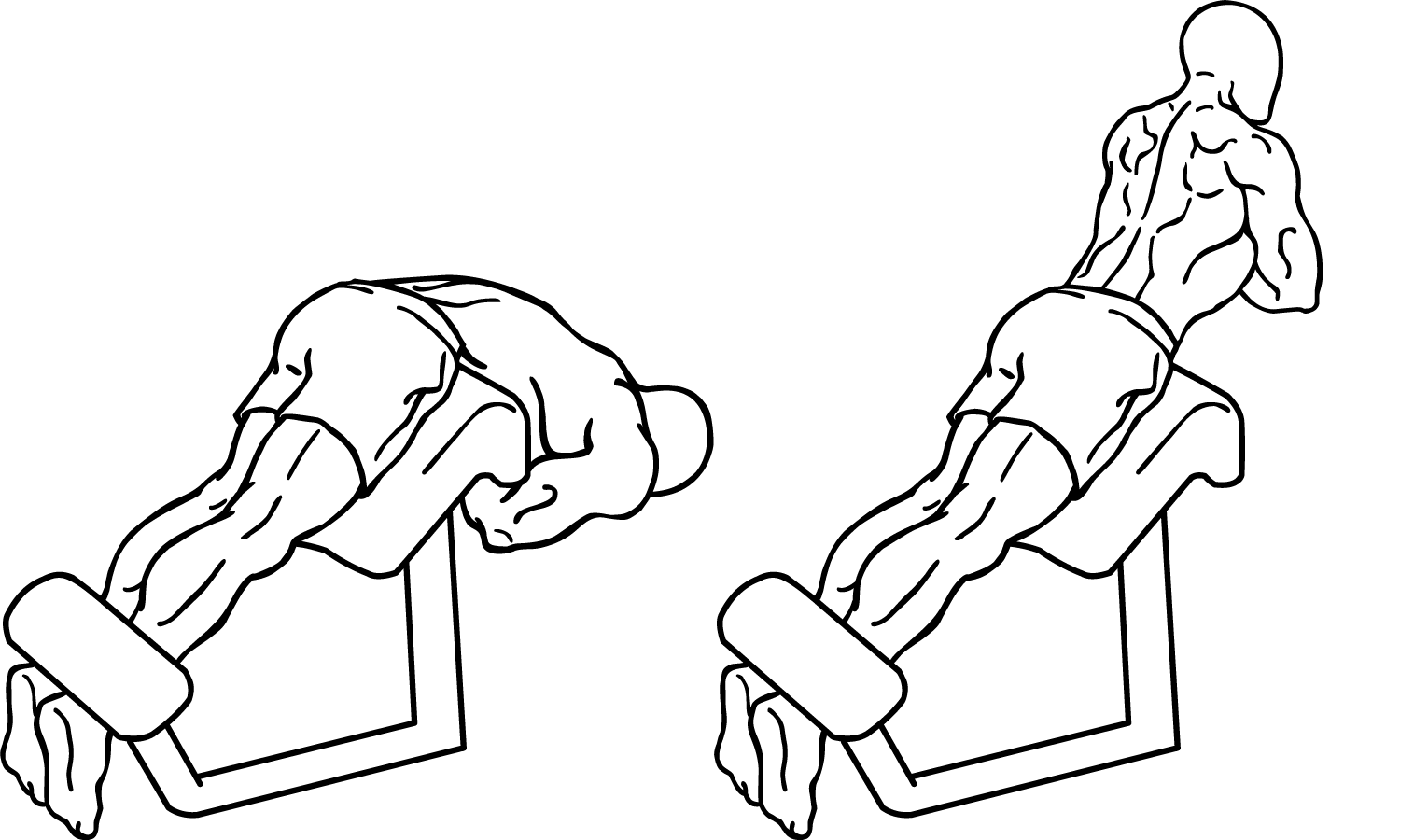
Hyperextensions are a highly effective exercise for targeting the lower back, particularly the erector spinae muscles, which run along the spine. By strengthening these muscles, you improve your posture and help support the spine during daily activities and other exercises. This movement also engages the glutes and hamstrings, making it a valuable addition to any routine focused on the posterior chain. Hyperextensions are particularly useful for preventing lower back injuries, which can occur during heavy lifting or poor posture.
Performing hyperextensions correctly requires lying face down on a hyperextension bench, securing your legs, and bending forward at the waist. The key to this exercise is controlled movement. Slowly lower your upper body while keeping your back straight, then raise yourself back up by contracting your lower back muscles. Avoid swinging or jerking motions, as this can strain your back. For added intensity, you can hold a weight plate to your chest, but focus on maintaining proper form throughout the exercise.
Incorporating hyperextensions into your workout routine is essential for building a strong, resilient lower back. By improving the strength and endurance of the muscles supporting your spine, you'll not only reduce the risk of injury but also enhance your performance in other exercises like squats and deadlifts. Regularly practicing hyperextensions can also alleviate lower back discomfort caused by prolonged sitting or poor posture, making it a practical movement for overall back health.
Tip: Keep the movement slow and controlled to avoid straining your lower back.